Understanding the Role of the Central Registrar in Multi-State Cooperative Societies
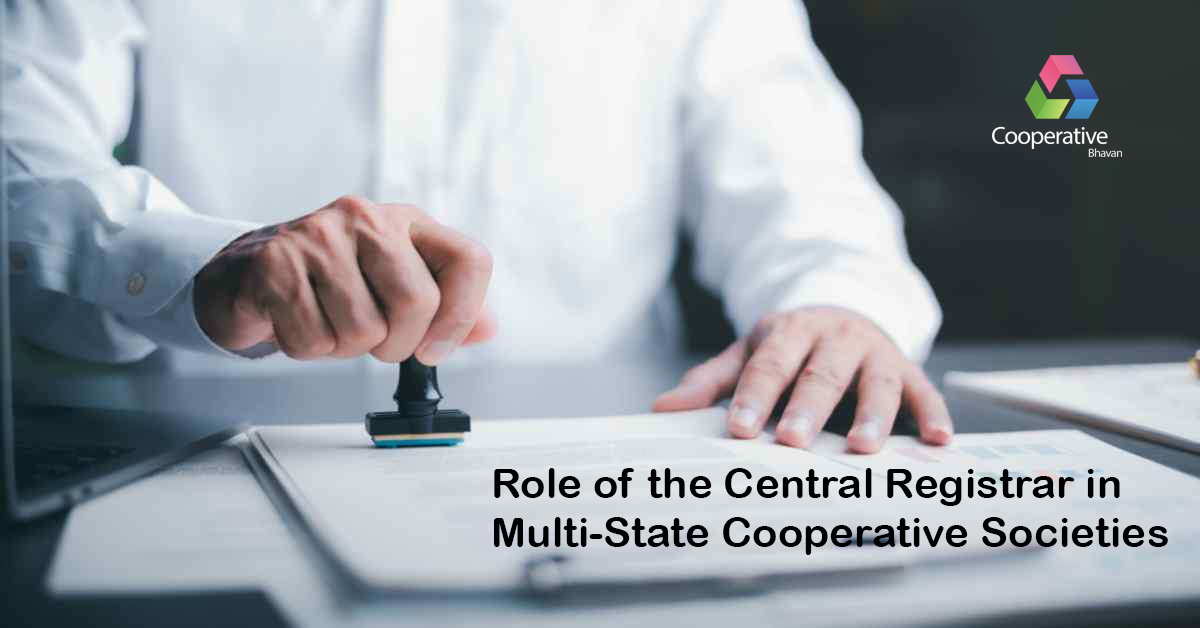
The cooperative sector in India is growing rapidly, with thousands of societies expanding their operations across multiple states. To ensure transparency, effective governance, and smooth compliance, the Central Registrar of Cooperative Societies (CRCS) plays a crucial and legally mandated role. For anyone planning Multi State Cooperative Society Registration in India or exploring project development opportunities, understanding the responsibilities and powers of the Central Registrar is essential.
This article provides a comprehensive look at the CRCS, its functions, and its importance for cooperative institutions across the country.
Who Is the Central Registrar?
The Central Registrar of Cooperative Societies is an authority appointed by the Central Government under the Multi-State Cooperative Societies Act, 2002.
This regulatory body oversees cooperative societies that operate in two or more states, ensuring they function professionally, democratically, and in alignment with national cooperative laws.
For societies aiming for Multi State Cooperative Society Registration in Kerala or any other region, it is the Central Registrar who finally verifies the application and grants the registration certificate.
Key Responsibilities of the Central Registrar
The role of the CRCS is multidimensional. Below are the major functions that significantly impact how Multi-State Cooperative Societies operate:
1. Registration of New Multi-State Cooperative Societies
One of the prime responsibilities of the Central Registrar is to examine and approve applications for forming a new cooperative society under the MSCS Act.
This includes verifying:
- Proposed bylaws
- Objectives and activities
- Membership structure
- Financial feasibility
- Compliance with legal provisions
This is particularly relevant for organizations seeking Multi State Cooperative Society Registration in India, including those based in Kerala.
2. Amendment Approval for Bylaws
Multi-State Cooperative Societies must obtain approval from the Central Registrar for any change in their bylaws.
The CRCS ensures that:
- Amendments are legal
- Changes align with cooperative principles
- Member rights are protected
- Transparency is maintained
3. Monitoring and Supervision of Cooperative Operations
The Central Registrar actively monitors the functioning of societies to ensure:
- Financial discipline
- Proper record-keeping
- Democratic governance
- Annual audits and compliance
This helps maintain credibility and member trust nationwide.
4. Conducting and Regulating Elections
Democratic functioning is a core principle of cooperatives. The Central Registrar:
- Oversees the election process
- Approves election authorities
- Ensures fair voting practices
- Resolves seat reservation or electoral disputes
5. Inquiry, Inspection, and Investigation
If a complaint is raised by members, stakeholders, or authorities, the Central Registrar has the power to:
- Issue inspection orders
- Conduct inquiries
- Investigate financial mismanagement
- Take corrective action
This builds accountability across all Multi-State Cooperative Societies.
6. Dispute Resolution Authority
Under the MSCS Act, disputes within or between societies—related to management, elections, decisions, or financial matters—fall under the jurisdiction of the Central Registrar.
By facilitating structured dispute resolution, the CRCS ensures smoother functioning and avoids prolonged legal battles.
7. Winding Up and Liquidation
If a society becomes non-functional, insolvent, or fails to meet compliance norms, the Central Registrar has the authority to:
- Order liquidation
- Appoint a liquidator
- Oversee settlement of assets and liabilities
This protects the interests of members and stakeholders.
Why the Central Registrar Is So Important
The CRCS serves as the backbone of governance in the cooperative ecosystem. Its role ensures:
- Standardized compliance across states
- Protection of member interests
- Transparency in decision-making
- Stability in cooperative structures
- Accountability and fairness
For developers, consultants, and service providers like Multi State Cooperative Society project builders in Kerala, understanding the CRCS framework is crucial to successfully guiding clients through registration and long-term management.
The Role of Cooperative Bhavan in Supporting Multi-State Cooperatives
Cooperative Bhavan serves as a central hub for cooperative-related services, capacity-building sessions, and support systems. Many societies visit Cooperative Bhavan for:
- Registration guidance
- Bylaw consultations
- Legal compliance assistance
- Training and development programs
Its proximity to the office of the Central Registrar often helps societies fast-track documentation and clarifications.
Conclusion
The Central Registrar plays a foundational role in ensuring that Multi-State Cooperative Societies in India operate efficiently, transparently, and in accordance with the law. Whether an organization seeks Multi State Cooperative Society Registration in Kerala, plans to expand nationwide, or needs expert support from a Multi State Cooperative Society project builder in Kerala, understanding the responsibilities of the Central Registrar is essential for smooth operations.
With proper compliance, strong governance, and guidance through platforms like Cooperative Bhavan, cooperative societies can achieve sustainable growth and contribute meaningfully to India’s socio-economic development.
























 Mail
Mail  Booking
 Call
Call